
Application of Laser Cutting Machines - Structural Steel Manufacturing
2026-01-31


In large-scale infrastructure projects such as bridges and high-rise buildings, the processing quality of structural steel has a direct impact on construction safety and long-term service performance. Among these factors, the cutting precision and edge quality of steel plates and structural steel components are often preconditions for the smooth progression of subsequent assembly and welding processes. The increasing adoption of laser metal cutting machines in structural steel workshops in recent years is no coincidence: compared to traditional methods, its suitability for high-precision, complex component processing precisely meets modern engineering demands for structural steel manufacturing. Drawing on research and practical experience in steel structure processing, this article explores the core value of laser metal cutting machines in structural steel manufacturing, its typical application cases, and the logic behind process selection.
Characteristics of Structural Steel Processing
Structural steel manufacturing exhibits the following typical characteristics:
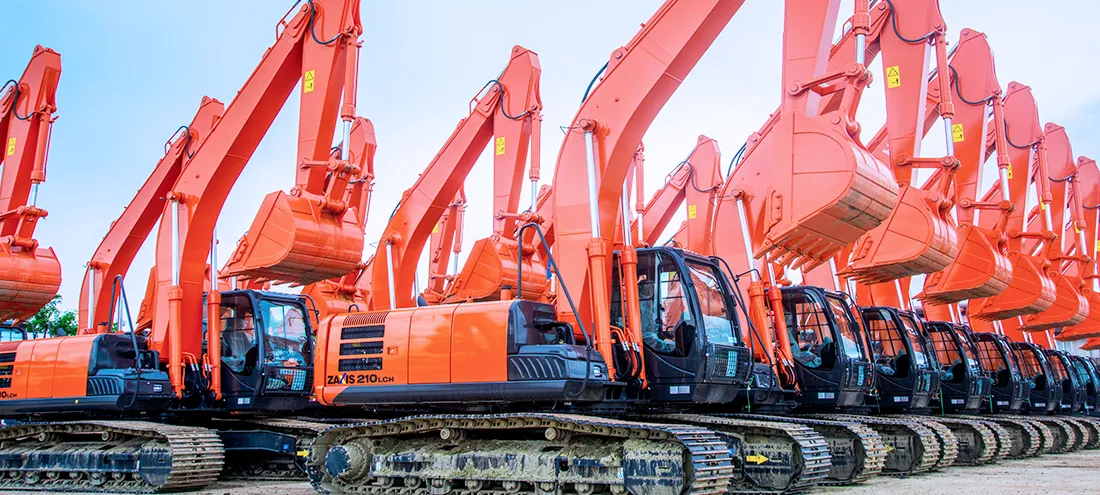
The base materials are primarily carbon steel and low-alloy steel—materials widely used in industrial settings. However, due to variations in carbon content, they impose different requirements on thermal input control during cutting processes. Plate thicknesses span a wide range, from tens of millimeters to hundreds of millimeters, while components are often large in size and heavy in weight. This means the cutting process must not only ensure precision but also balance production efficiency with the feasibility of on-site operations. After all, in actual engineering assembly, even millimeter-level deviations can prevent precise welding alignment or compromise the overall structural stability.
Therefore, the cutting method must be stable, repeatable, and suitable for industrial-scale production.
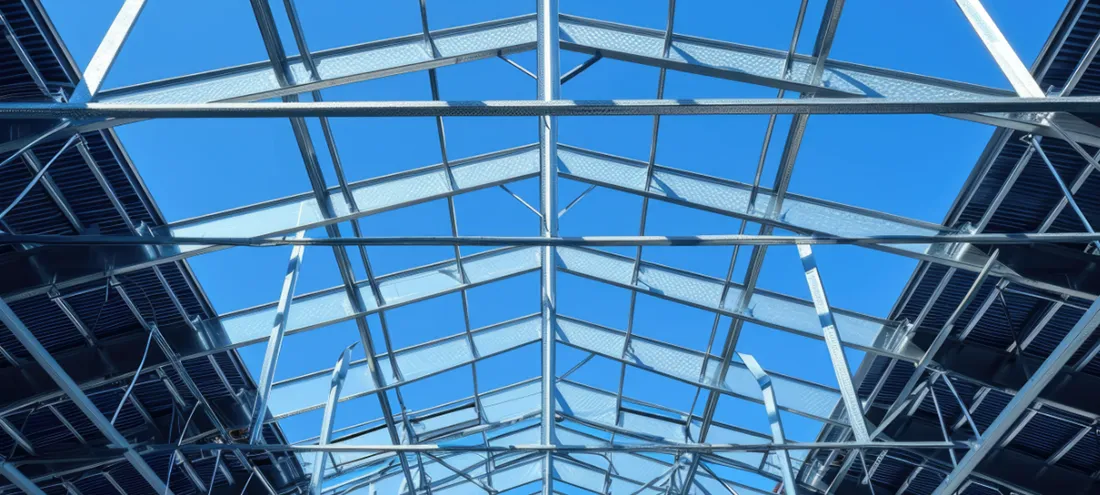
Laser Cutting Machine vs. Traditional Cutting Methods
So why does laser cutting machine stand out among various cutting processes to become one of the preferred solutions for structural steel processing? While not suitable for all steel processing situations, it precisely meets the core requirements of structural steel manufacturing.
1. High Cutting Precision
CNC laser cutters achieve micron-level repeatability. Traditional cutting methods often caused hole misalignment, preventing precise bolt assembly. However, laser-cut parts significantly improve on-site alignment efficiency. This precision advantage greatly reduces correction work during assembly.
2. Flexible Processing of Complex Shapes
Components like connection plates, brackets, and stiffeners often feature irregular slots, dense hole patterns, and intricate contours. Traditional mold-based machining requires substantial upfront investment and struggles to adapt to multi-batch, small-lot customization demands. Fiber laser cutters eliminate the need for mold changes, enabling the processing of components with different shapes and configurations through simple program adjustments alone. This advantage is particularly prominent in the mass production of prefabricated building components.
3. Reduced Secondary Processing
Laser metal cutting machines offer clean, sharp cutting edges and extremely high dimensional accuracy, minimizing rework or manual adjustments.
Seamless cut surfaces require no additional grinding before welding, enabling “one-step forming” that substantially cuts labor and time costs associated with secondary processing.
4. Consistent Quality in Mass Production
In mass production environments, fiber laser cutting machines offer a significant advantage in terms of quality consistency; once the appropriate cutting parameters are set, they can maintain consistent dimensional accuracy and edge quality whether processing dozens or hundreds of parts. This eliminates quality variations caused by human operational differences inherent in traditional methods.
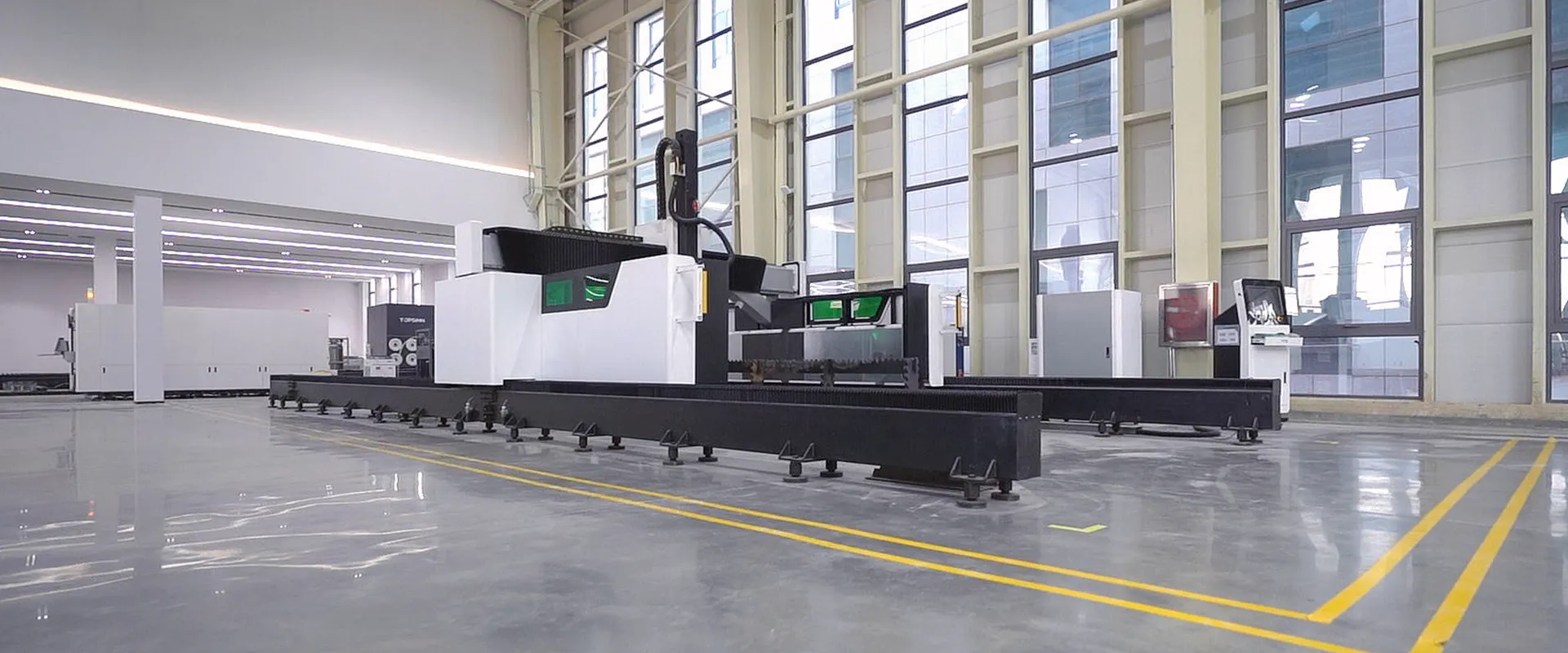
In the field of structural steel cutting, traditional processes like flame cutting and plasma cutting have not been phased out—they continue to serve their respective applications. Oxy-fuel cutting remains the mainstream choice in heavy machinery manufacturing due to its capability to process ultra-thick steel plates. However, its large heat-affected zone and limited cutting precision make it unsuitable for high-accuracy component fabrication. Plasma cutting offers greater efficiency in medium-to-thick plate processing, with cutting speeds far exceeding oxy-fuel cutting, yet it similarly suffers from relatively pronounced heat deformation. So, how should the application boundaries of laser cutting be defined?
Based on years of industry research and comparative process experiments, laser cutting machines become evident when processing demands high precision, complex shapes, or requires consistent quality across multiple batches of components. In practice, most large-scale structural steel workshops integrate laser cutting with traditional methods based on component thickness, precision requirements, and production volume. For instance, flame cutting handles rough cuts on thick plates, while laser cutting takes over for subsequent fine trimming and complex section processing. This combined approach balances cost control with quality and efficiency.
Laser cutting solutions designed specifically for structural steel manufacturing
Not all steel laser cutters are suitable for structural steel processing. Key requirements include:
Wide laser power range: capable of cutting medium to thick steel plates
Stable cutting performance: maintains good cutting results even after long-term operation
Rugged machine structure: capable of cutting large and heavy steel plates
Reliable components suitable for industrial environments
Many processing companies have fallen into the mistake of believing “higher power is always better,” overlooking the importance of equipment compatibility with their production processes. Selecting machines only based on maximum power output is often not the most practical approach.For structural steel workshops, fiber laser cutter design should focus on actual production demands rather than laboratory conditions.
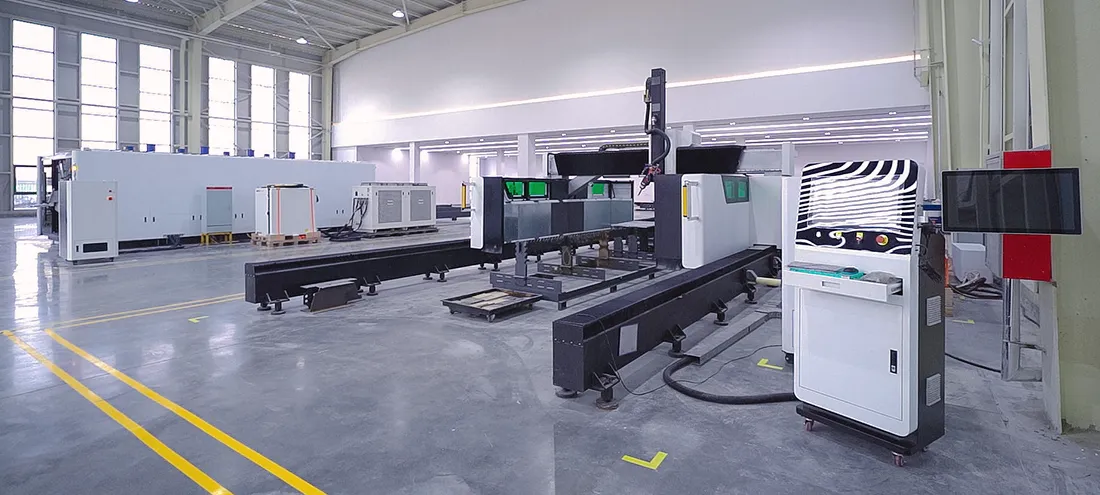
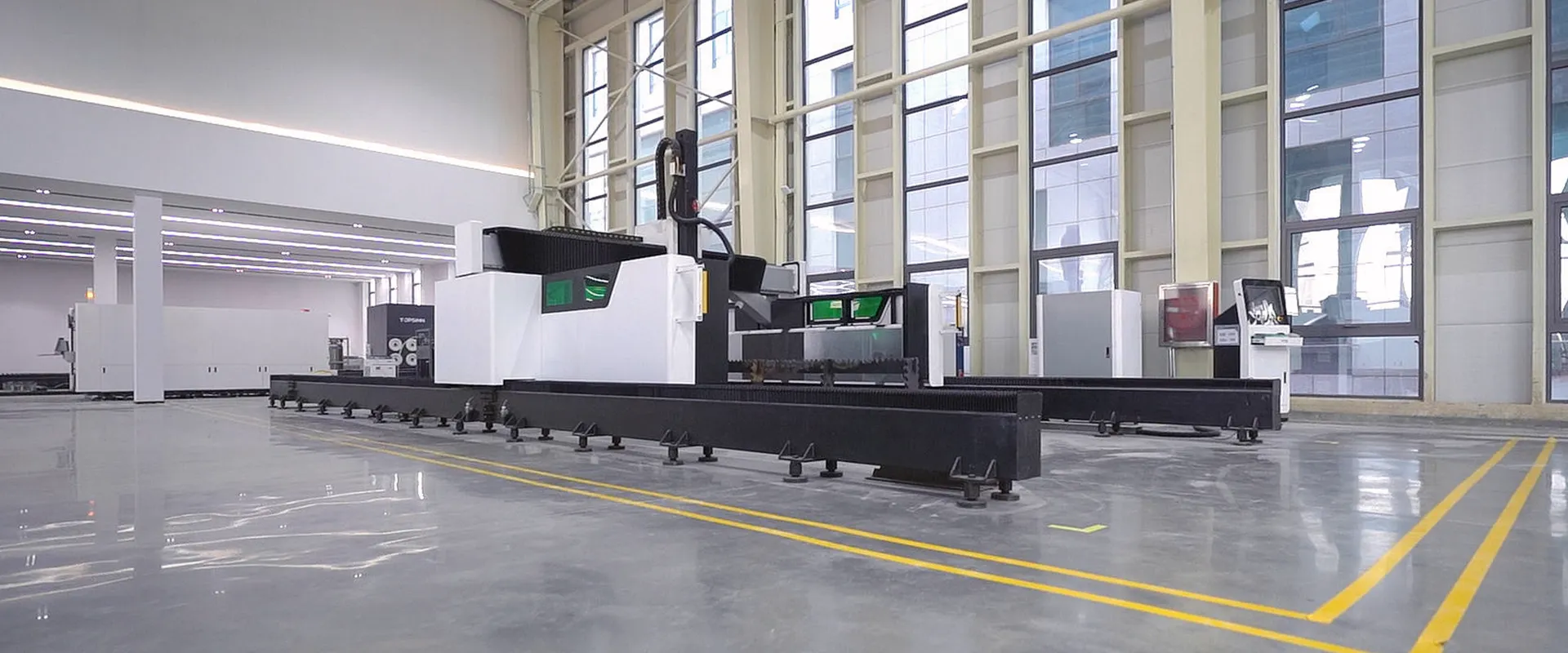
Our team's GR-H series laser metal cutting machines, specifically developed for structural steel manufacturing applications, are engineered to address these core pain points:
1. Wide power range from 12,000W to 40,000W: Stably handles cutting demands from medium-thick to thick carbon steel plates, demonstrating exceptional adaptability in industries with stringent structural strength requirements like bridges, rail transit, and shipbuilding.
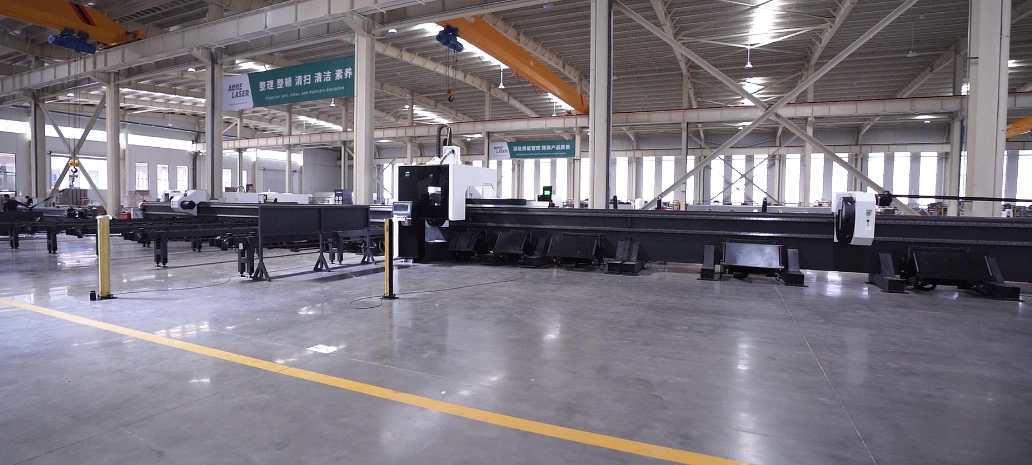
2. Multi-material compatibility: Effortlessly cuts common structural steel components like H-beams, I-beams, channels, angles, plates, and pipes without equipment changes or significant parameter adjustments. This eliminates the “one machine for one application” limitation of traditional equipment, significantly enhancing workshop production flexibility.
3. Modular design with a standardized bed allows flexible customization based on project requirements. It efficiently adapts to both large-scale structural steel cutting and rapid response to small-batch customized orders.
4. Deeply integrated with industrial continuous production needs—supporting multi-material loading and uninterrupted operation. Combined with a maximum running speed of 80m/min and maximum acceleration of 0.8G, it significantly boosts processing efficiency while maintaining precision, fully aligning with the 24/7 operational rhythm of steel structure workshops.
Laser cutting has become a vital processing method in structural steel manufacturing, particularly suited for applications demanding high precision, consistency, and part design flexibility. Of course, it is not a universal solution. Traditional processes like flame cutting and plasma cutting remain vital for ultra-thick plates and low-cost processing settings. The truly reasonable process selection never blindly pursues the highest laser power. Instead, it involves integrating material thickness, component precision requirements, and the overall production workflow to find the most suitable solution. After all, the core of industrial manufacturing lies in the precise alignment of technology with real-world scenarios, not in the accumulation of parameters.
Please feel free to contact our team at any time. Drawing on our real-world production experience, we will provide you with technical support and practical advice.