
Key Factors Affecting Laser Cutting Machine Performance and Precision
2026-02-28


In actual production, many metal processing plants encounter the following problem: Why do laser cutting machines with the same nominal power of 12kW produce such different cutting results? Why do some factories have high product qualification rates and stable delivery times, while others experience frequent rework and excessive costs?
In fact, the answer does not lie in the "power" itself.
The quality and efficiency of a laser cutter are determined by a whole set of equipment performance, process parameters, and operational management. Understanding these key factors can not only help companies avoid pitfalls when purchasing equipment, but also continuously optimize performance in daily production, thereby improving product qualification rates, shortening delivery times, and maximizing return on investment.
Inherent Factors of the Laser Cutter
1. Laser Type
In laser cutting, different types of lasers have significantly different cutting precision. Common laser cutting machines can be classified according to laser type as CO2 laser cutting machines, fiber laser cutting machines, and crystal laser cutting machines. CO2 lasers have wavelengths that are more easily absorbed by non-metals, making them very suitable for cutting non-metallic materials such as wood, acrylic, and plastics, but their cutting effect on metals may not be good. Therefore, it is more suitable for industries such as signage, textiles, and woodworking.
Fiber lasers can focus a smaller spot size, making them more suitable for cutting metals such as steel and aluminum. Therefore, they are widely popular in industries with high output and precision requirements, such as automotive and aerospace. Currently, fiber lasers are the mainstream in the market, offering significant advantages over traditional CO₂ lasers in terms of electro-optical conversion efficiency, maintenance costs, and stability.
2. Power Configuration
The power of a cnc laser cutting machine determines the thickness of materials that can be cut and the theoretical speed. Generally speaking, higher power lasers have stronger cutting capabilities and can cut thicker materials, but this often reduces precision. This is because at high power, the energy distribution and effect of the laser beam are difficult to control precisely. Therefore, higher power does not necessarily mean higher overall efficiency. If a company mainly processes thin plates but blindly chooses an ultra-high power laser cutting machine, it may lead to higher power consumption, higher initial investment, and more complex maintenance requirements. Therefore, reasonable power matching is the key to improving ROI.
Choosing AORE means receiving professional power recommendations based on the actual material structure and order type, rather than simply "the higher the power, the better."
3. Laser Cutting Machine Beam
The quality of the metal laser cutting machine's output beam is a fundamental factor affecting processing accuracy. The shape, spot size, and stability of the laser beam are all closely related to processing accuracy. Generally, the smaller the spot size, the finer the beam, and the better the stability, the higher the cutting accuracy.
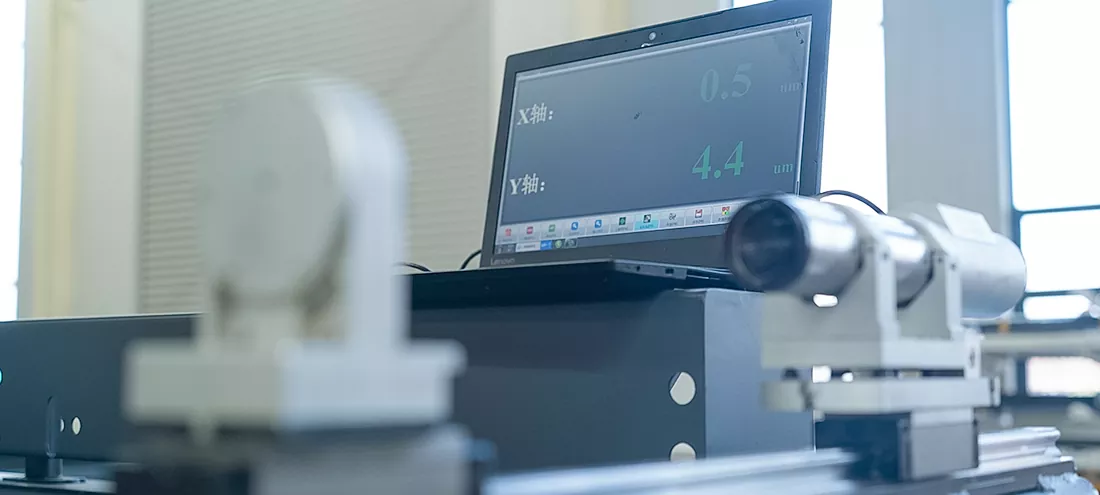
4. Mechanical Structure
A rigid frame reduces vibration and deformation during high-speed movement. Insufficient rigidity in the cnc laser cutter bed can lead to accuracy drift after prolonged operation. Insufficient precision in the guide rails and transmission system directly affects dimensional errors. This not only affects individual piece accuracy but also batch consistency, increases costs, and damages the company's reputation. Fortunately, AORE uses a high-strength welded bed in its mechanical structure design and undergoes rigorous factory calibration to ensure long-term stable operation.
5. Software and Control System
The computer numerical control program directly affects the cutting path, speed, and overall accuracy. Poorly optimized CNC programs lead to low cutting efficiency, resulting in poor edge quality, overheating, or material waste. Excellent motion control algorithms ensure stable accuracy even at high speeds. The AORE system has a built-in mature process database and provides training support to help customers quickly master optimal operating methods.
External Factors Affecting CNC Laser Cutter Quality
1. Laser Cutting Machine Parameters
Parameters set during the cutting process—such as speed, power, and focus—directly impact cutting precision. Improper settings may cause slag buildup, rough cross-sections, overburning, or incomplete cuts. Optimal parameters not only enhance quality but also influence energy consumption and efficiency. AORE provides a mature parameter library and remote optimization support to help customers quickly achieve the best results.
2. Auxiliary Gases
Auxiliary gases like oxygen, nitrogen, and air serve cooling, slag blowing, and chemical reaction functions during cutting. Gas type significantly impacts quality:
Oxygen (O₂): Suitable for carbon steel, fast but produces oxidation layer.
Nitrogen (N₂): Clean cross-section, ideal for stainless steel.
Air: Low cost but limited for high-quality cross-sections.
Selecting appropriate gases balances quality and cost.
3. Materials
Surface contaminants, reflectivity, or uneven thickness in materials affect cutting precision stability. Thicker materials require higher power for cutting, which can sometimes compromise accuracy. Highly reflective materials like aluminum reflect the laser beam, impacting cut quality. This causes energy loss and inconsistent cuts, requiring laser parameter adjustments or the use of anti-reflective coatings.
4. Laser Cutter Calibration and Maintenance
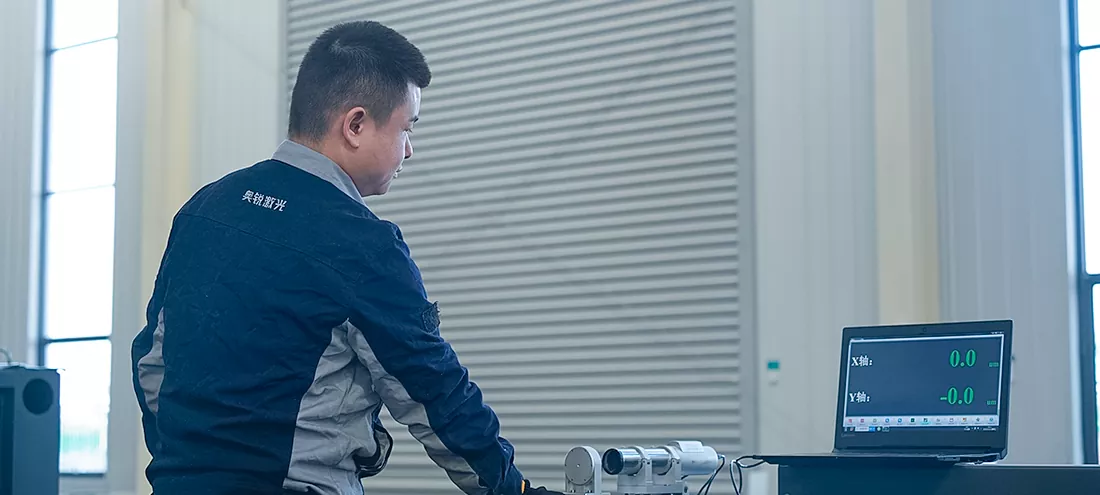
Regular calibration and maintenance are critical for preserving precision and ensuring consistent, stable output. A well-maintained machine delivers uniform, high-quality cuts, minimizes post-processing needs, and extends service life. In contrast, neglecting maintenance risks unstable cutting, increased rework rates, and higher downtime. AORE provides preventive maintenance recommendations and remote support services to help customers maintain optimal equipment performance over the long term.
5. Environmental Temperature and Humidity
Environmental factors such as surrounding temperature and humidity must not be overlooked, as they impact both the cnc fiber laser cutting machine and the material being cut. High temperatures can affect the laser's cooling system, while high humidity may interfere with auxiliary gases or cause condensation on mirrors and lenses, thereby degrading beam quality.
Practical Techniques for Enhancing Laser Cutting Precision
In actual production, some enterprises mistakenly believe that "precision depends solely on equipment grade." In reality, even with identical equipment, varying operational management levels can yield completely different cutting results. Maintaining stable cutting precision is not merely a technical issue but also a matter of management capability. Below are several optimization methods proven effective in actual factory settings.
1. Select Appropriate Settings Based on Material Type
It is crucial to recalibrate the cutting machine settings each time materials are changed. Even two similar materials may exhibit significant differences in their material properties.
2. Adjust and Test Cutting Speed and Power Intensity
Proper speed adjustment of the laser cutting machine is critical for cutting precision. If the cutting speed is too fast, the laser may fail to deliver sufficient energy to the specific material, resulting in incomplete patterns or insufficient cutting depth.
Conversely, excessively slow speeds prolong laser dwell time, intensifying heat exposure. Resulting overheating may damage the workpiece and significantly compromise processing accuracy. Before formal engraving, conduct preliminary tests on a small material sample and adjust laser cutting settings based on the results.
3. Secure the Laser Cutter's Workbench
The workbench significantly impacts cutting precision. For projects demanding high accuracy and tight tolerances, nothing undermines final product quality more than an unstable work surface. Imagine if the workbench shakes during operation—or worse, if the machine's structure itself is unstable. Regardless of the laser cutter's inherent precision or optimal parameter settings, the final product's cutting accuracy will be severely compromised.
4. Conduct regular precision checks instead of waiting for problems to arise
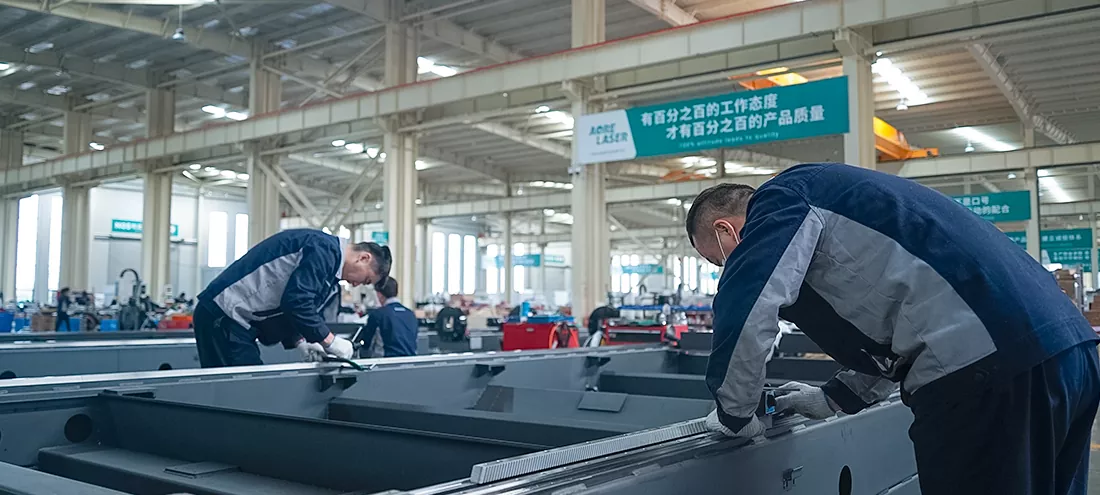
Many factories only troubleshoot after significant batch errors occur. A more prudent approach is monthly precision testing, tracking error trends, and performing preventive calibration—think of it as a "machine health check." This proactive management minimizes batch scrap, emergency shutdowns, and delivery delays. AORE provides diagnostics and technical support to help customers make adjustments before issues escalate.
Mastering the key factors that influence cutting performance is essential to truly control costs and quality. Enhancing laser cutting quality and efficiency requires the coordinated integration of equipment, processes, and management. By understanding these critical elements, you will become a more informed equipment purchaser and a more efficient production manager. If you seek tailored recommendations for laser cutting machine selection, please contact the AORE technical team. We will provide professional support based on your specific production requirements.
Frequently Asked Questions
1. Is CO2 laser better than fiber?
It depends on the application. CO₂ lasers are well suited for non-metal materials such as wood, acrylic, and plastics. Fiber lasers provide better performance. For most metal fabrication applications, fiber lasers are the mainstream choice.
2. Do lasers degrade over time?
Yes, lasers experience performance degradation over extended periods of use. As fiber optics and laser tubes age, and optical components degrade, their power output, efficiency, and beam quality all diminish. Therefore, it is crucial to prioritize routine maintenance, ensure adequate heat dissipation to prevent overheating, and avoid continuous operation at maximum power to prolong the laser's service life.
3. How long do laser cutters last?
The lifespan of fiber lasers can reach up to 100,000 hours (about 10 to 15 years or more). Proper maintenance can extend their lifespan as much as possible. Although the laser may last that long, mechanical components may require maintenance or replacement sooner.
4.How to choose the auxiliary gas for a fiber laser cutting machine?
Selecting auxiliary gases requires comprehensive consideration of material type, cutting quality requirements, and cost. Prioritize gas selection based on material properties, then adjust based on quality demands and economic factors. For specific guidance, consult AORE's technical experts.
5. How to avoid burrs in laser cutting?
The following measures can be taken to resolve the issue:
Fine-tune the cutting speed and power to find the optimal settings.
Replace the cutting assist gas with a high-quality alternative.
Inspect and ensure the laser is properly focused.