
Fiber vs CO₂ Laser Cutting: Cost, Speed & Best Use Cases
2026-04-16


In the metalworking industry, laser cutting technology has become one of the mainstream processes. Among these, fiber laser cutting and CO₂ laser cutting are the two most common solutions. Faced with different materials, thicknesses, and production requirements, companies often find it difficult to make the optimal choice. This article will help you make an informed decision by examining the technical principles, performance comparisons, and practical applications of these technologies.
Working Principles of the Two Technologies
Fiber lasers use solid-state laser sources and transmit the laser beam through optical fibers. With a wavelength of approximately 1.06 μm, they offer high absorption rates for metallic materials. In contrast, CO₂ lasers utilize electric fields to induce vibrations in CO₂ molecules, triggering the rapid emission of photons. As a gas laser with a wavelength of approximately 10.6 μm, the CO₂ laser is better suited for processing non-metallic materials.
Fiber lasers do not require complex mirror systems, whereas CO₂ lasers rely on multiple sets of lenses to guide the light path, resulting in significant differences in structural complexity and maintenance requirements.
Fiber Laser Cutter vs. CO₂ Laser Cutter: Key Differences That Matter
1. Cutting Speed and Efficiency
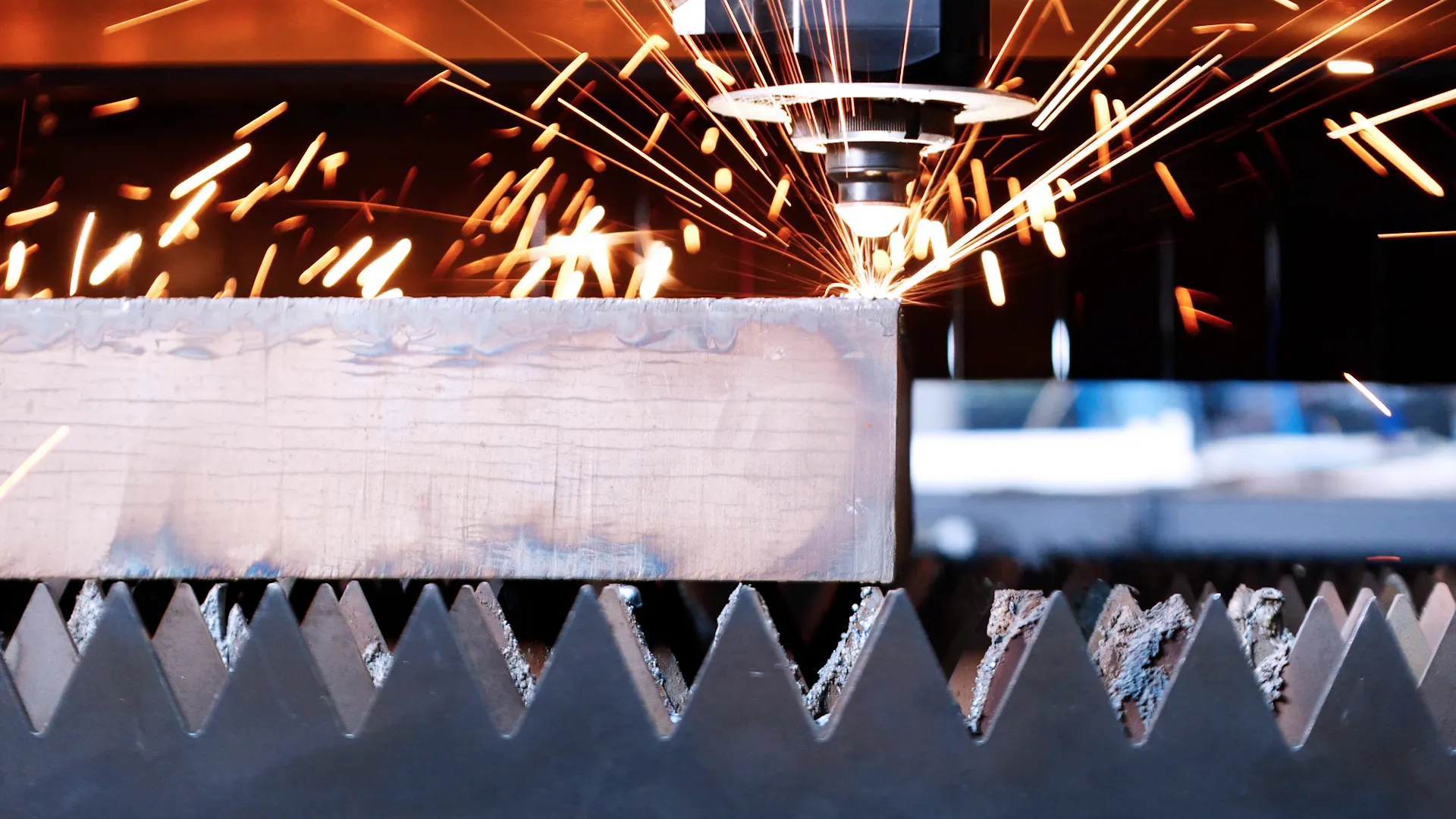
Fiber laser cutters are significantly faster than CO₂ laser cutters when cutting thin sheets, particularly when cutting stainless steel. When processing 1–6 mm stainless steel or carbon steel, fiber lasers typically operate 2–3 times faster than CO₂ lasers. The speed gap narrows when cutting thick plates (>15 mm), and CO₂ lasers may even offer greater stability under certain operating conditions.
2. Range of Processable Materials
Fiber laser cutting machines are particularly suitable for cutting highly reflective materials such as copper, aluminum, and brass (high-reflectivity materials). CO₂ lasers are generally not suitable for cutting copper due to high reflection and safety risks. For CO₂ lasers, copper is considered a highly reflective material; the laser is almost entirely reflected rather than absorbed, and the reflected light returns to the laser source, posing a hazard. CO₂ lasers also experience high reflectivity when cutting aluminum alloys.
However, CO₂ lasers have distinct advantages in processing non-metallic materials such as wood, plastics, and acrylic.
3. Initial Investment and Payback Period
The purchase cost of any laser equipment depends on various factors, such as laser power, cutting area, and automation level.
Generally, the initial investment for metal laser cutting machines is typically higher, but due to their high efficiency and low maintenance requirements, the payback period is usually 1–3 years. CO₂ equipment is less expensive upfront but has higher long-term operating costs, making it suitable for specific applications.
4. Cutting Quality and Precision
In terms of cutting quality, fiber lasers, with their shorter wavelengths and higher beam quality, can achieve a smaller focal spot, resulting in a narrower cut width. This not only reduces material waste but also significantly improves the machining precision of complex geometries. Typically, the cut width of a fiber laser cutter can be controlled between 0.1–0.3 mm, making it particularly suitable for precision sheet metal fabrication.
Additionally, fiber lasers have a smaller heat-affected zone (HAZ), meaning the material experiences less thermal deformation during cutting, which helps improve the consistency of finished products and assembly accuracy. This is particularly critical in industries with high precision requirements, such as electronics and automotive components.
CO₂ lasers, however, demonstrate distinct advantages in thick-plate processing. Due to their beam characteristics and energy distribution, they produce smoother cut edges with less slag and lower post-processing demands when cutting carbon steel over 20 mm thick. Therefore, CO₂ lasers remain competitive in certain thick-plate applications where high cross-sectional quality is required.
5. Operating Costs and Maintenance
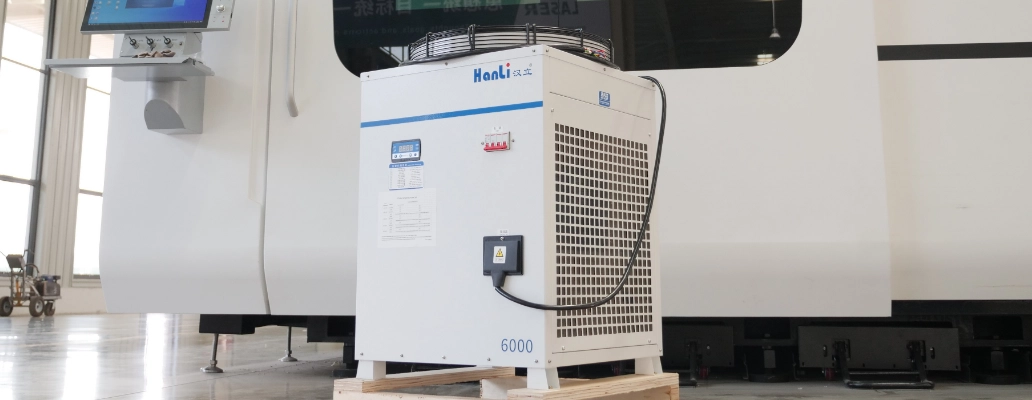
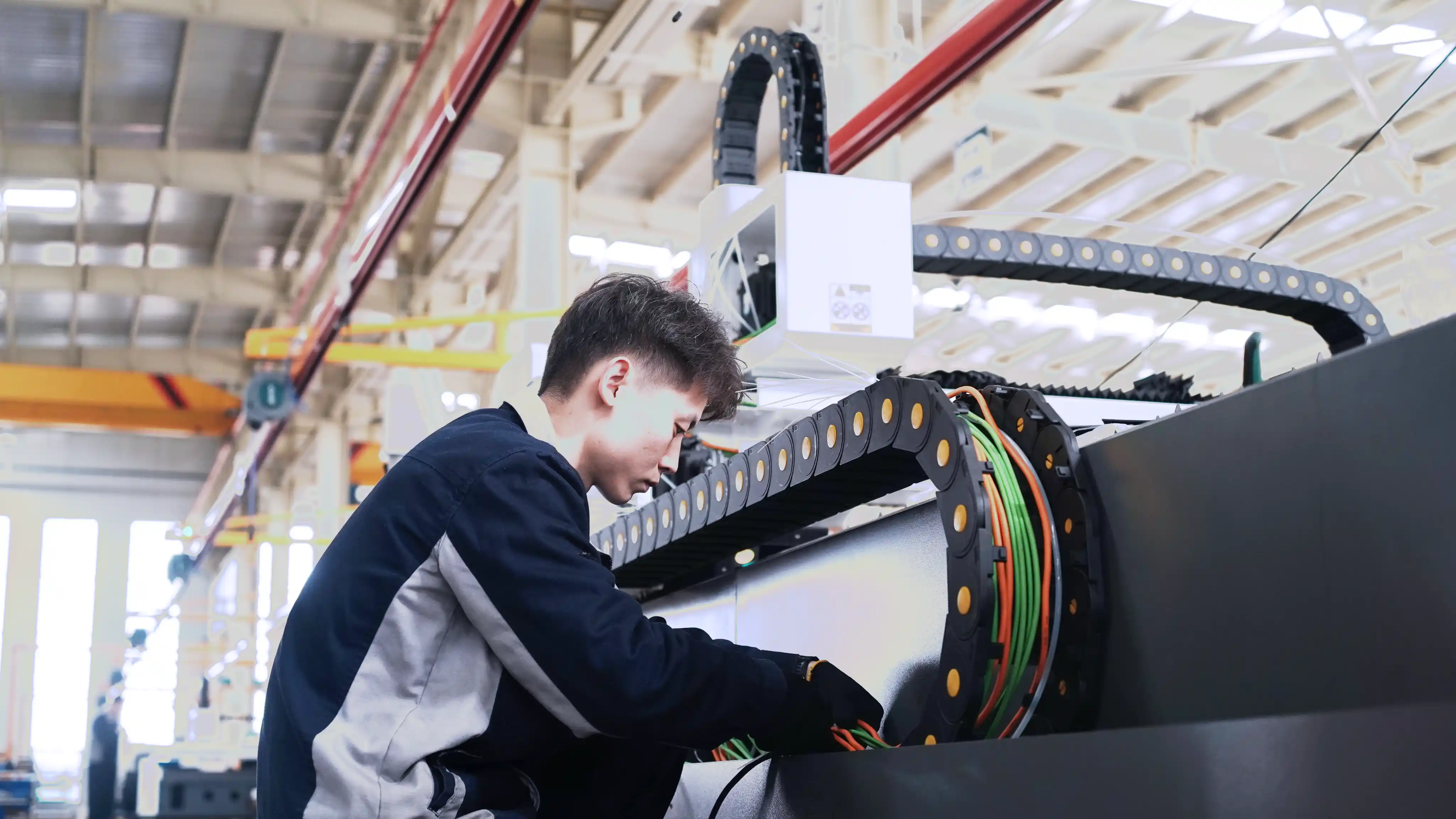
In terms of machine maintenance, CNC fiber laser cutting machines are more environmentally friendly and convenient, whereas CO₂ laser systems require regular maintenance; mirrors need maintenance and calibration, and the resonator cavity requires periodic maintenance. On the other hand, fiber laser systems require significantly less maintenance, but still need routine inspection and basic upkeep. CO₂ laser cutting systems require carbon dioxide as the laser gas; due to issues with the purity of the CO₂ gas, the resonator cavity becomes contaminated and needs to be cleaned regularly.
Furthermore, in terms of electricity costs, fiber lasers are significantly cheaper and more environmentally friendly than CO₂ lasers. Fiber lasers achieve an electro-optical conversion efficiency of 30–40%, whereas CO₂ lasers typically reach only 10–15%, resulting in lower energy consumption.
If your primary processing materials are thin sheet metal, you prioritize high efficiency, and your work involves stainless steel or aluminum, we recommend prioritizing fiber laser cutting machines. If your production involves a large volume of non-metallic materials, CO₂ laser cutting remains a reliable solution.
The Best of Both Worlds: Fiber Laser Cutting Machines Designed Specifically for Cutting Thick Sheets
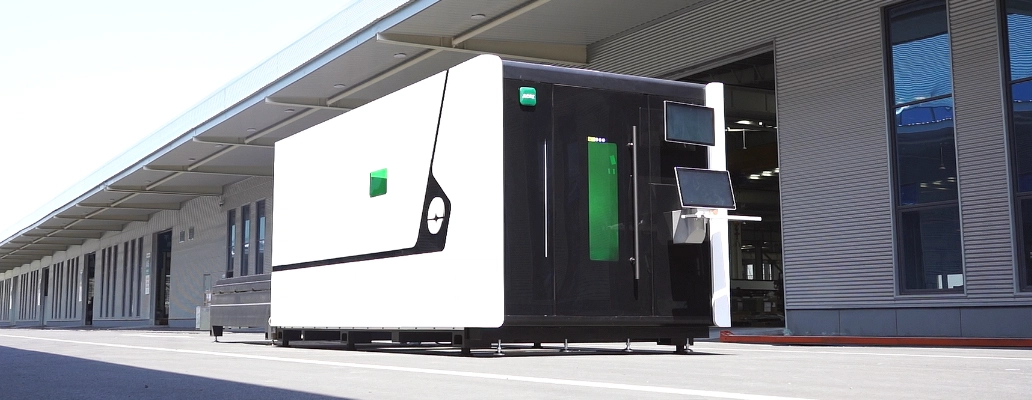
Based on the selection criteria outlined above, companies that primarily process medium-to-thick plates and seek to balance efficiency with automation should consider enclosed fiber laser cutting machines specifically designed for thick plate processing.
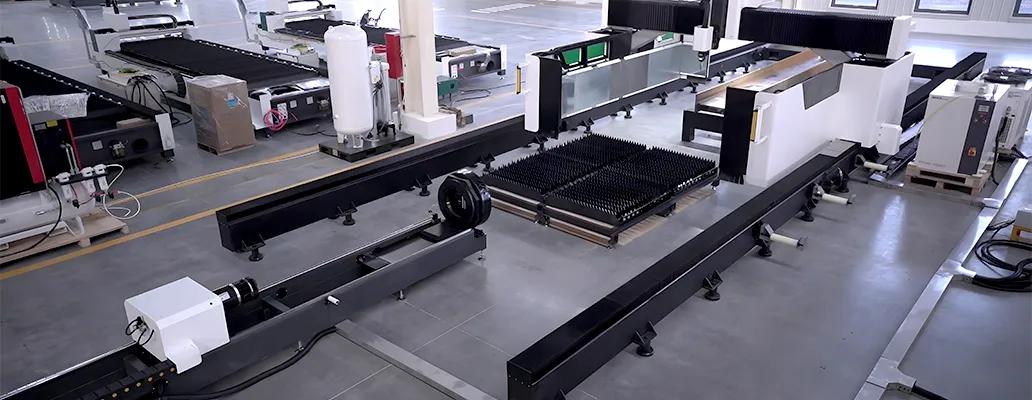
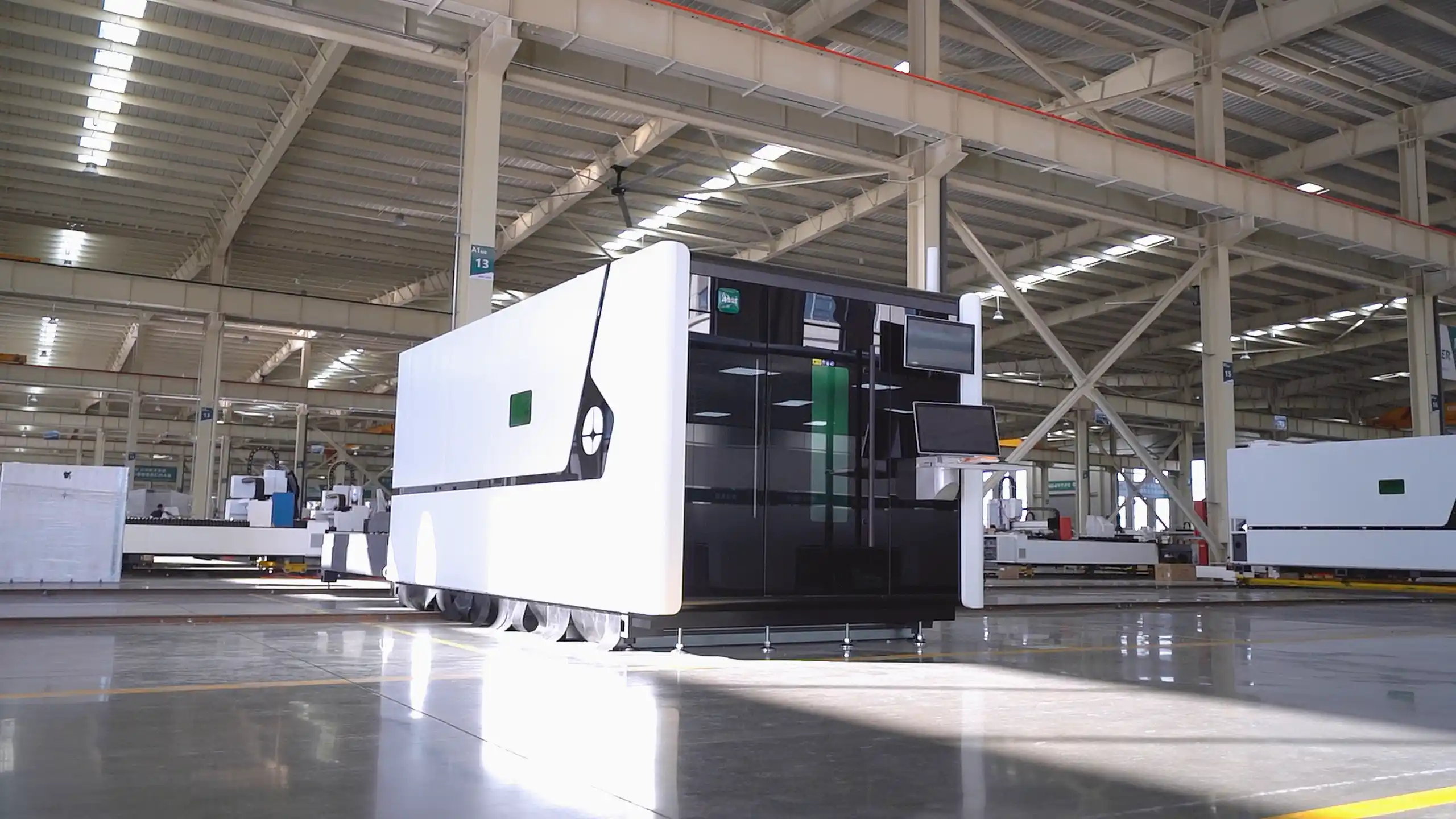
Building upon traditional fiber laser technology, these machines feature structural reinforcements designed to handle heavy loads and high heat input conditions. For instance, the PG series employs a high-rigidity bed structure and a dual-beam frame, effectively reducing thermal deformation during prolonged thick-plate cutting and ensuring long-term stability in cutting precision. Additionally, the use of high-temperature-resistant materials and ablation-resistant designs significantly enhances the equipment’s reliability during continuous high-power operation.
In terms of safety and automation, the enclosed structure provides full protection, effectively isolating laser radiation and processing fumes while laying a solid foundation for the integration of automated loading and unloading systems. Furthermore, intelligent anti-collision sensors and dynamic monitoring systems reduce the risk of damage to the cutting head under complex operating conditions, thereby lowering maintenance costs.
From an application perspective, these fiber laser cutting machines, specifically designed for thick-plate processing, are particularly suitable for industries such as construction machinery, steel structure manufacturing, heavy equipment, and shipbuilding. In these scenarios, relying solely on traditional CO₂ equipment makes it difficult to balance efficiency and cost, while standard fiber equipment has certain limitations in terms of stability and structural strength. Therefore, specialized thick-plate fiber solutions are emerging as a transitional path that balances performance and cost-effectiveness.
Overall, fiber lasers and CO₂ lasers represent distinct technological paths and application advantages: the former dominates in thin-sheet metal processing, high-efficiency operations, and automated production, while the latter remains irreplaceable in non-metallic processing and certain thick-sheet applications. At the same time, as processing demands extend toward thicker sheets and higher power levels, specialized solutions—such as enclosed thick-sheet fiber laser cutting machines—are emerging as crucial supplementary pathways for enhancing production line stability and overall efficiency.
FAQ
1. Is fiber laser cutter better than CO₂?
Both have their strengths. Fiber lasers are superior for high-speed, precise cutting of metals (steel, aluminum, brass) and have lower operating costs, while CO₂ lasers excel at cutting and engraving organic materials (wood, acrylic, textiles) and thicker materials.
2. How long does a CO₂ laser machine last?
A CO₂ laser machine can last for 5–10 years, but the core laser tube is a consumable component with a shorter lifespan, typically lasting between 1,500 and 10,000+ hours depending on the type.
3. Which type of equipment is better suited for small and medium-sized enterprises?
If metal processing is the primary application, fiber laser cutting machines offer better long-term value for money.
4. Can you laser cut plastic?
Yes, you can laser cut many types of plastic, most effectively using a CO₂ laser.