
Fiber Laser Tube Cutting Machine Guide: Maintenance, Assist Gas & Applications
2026-08-31


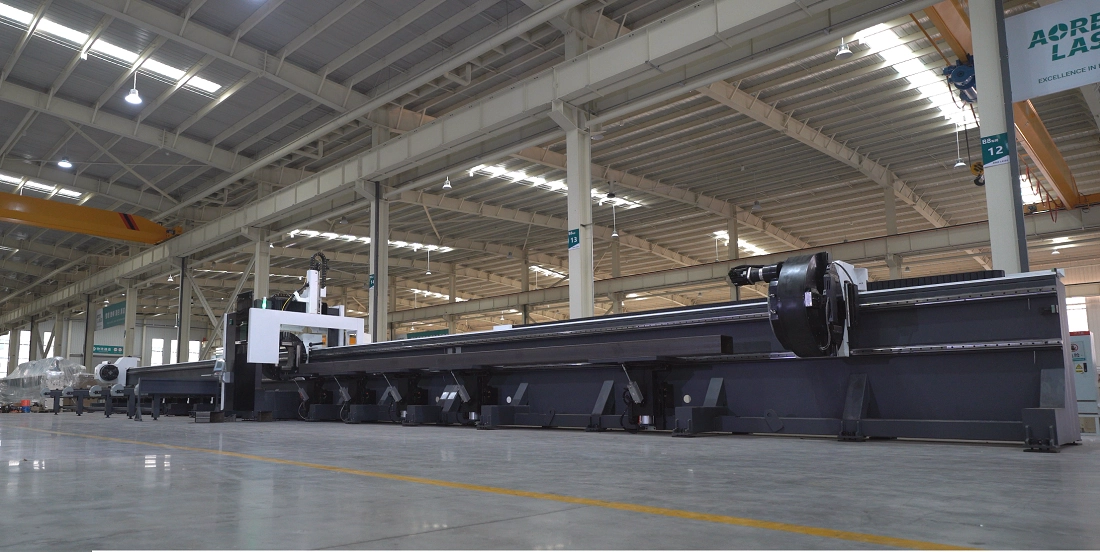
Automated fiber laser tube cutting machines maximize metal fabrication efficiency by replacing manual sawing, punching, and milling with high-precision processing. Maximizing machine uptime and cutting quality requires a streamlined strategy covering assist gas selection, preventative maintenance, and standard operating procedures (SOPs).
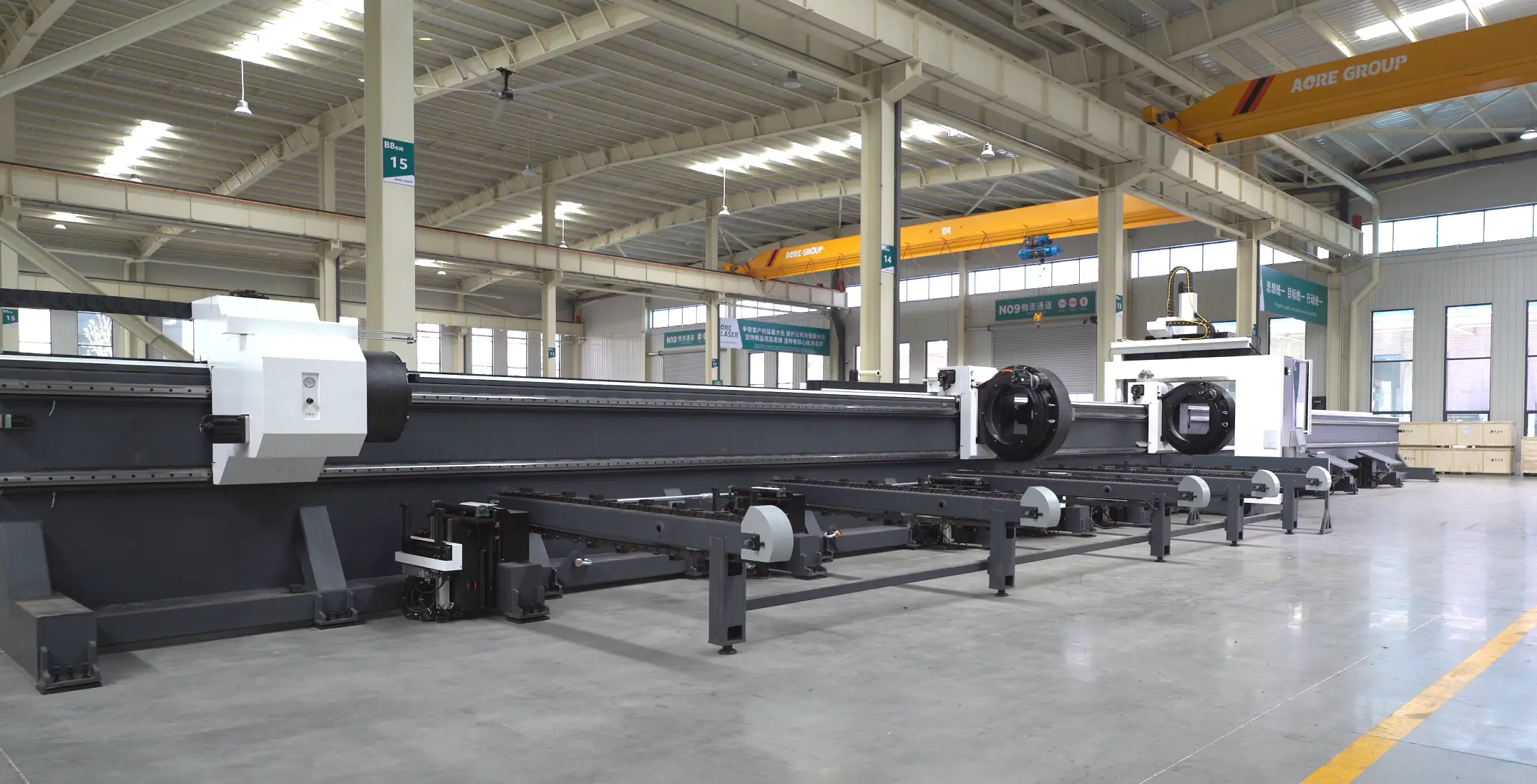
1. Assist Gas Selection Matrix: Optimizing Hourly OpEx
Selecting the correct assist gas directly impacts cutting speed, edge quality, and overall operational expenditure (OpEx) per meter.
| Gas Type | OpEx Cost Level | Cut Edge Finish | Best Material & Application |
| Compressed Air | Lowest (Up to 80% cost reduction) | Standard (Minimal dross) | Carbon steel, thin stainless steel, aluminum |
| Oxygen | Low to Medium | Dark Oxidation Layer | Thick carbon steel heavy tubing |
| Nitrogen | High | Bright & Oxide-Free | Stainless steel, brass, aluminum alloys |
Compressed Air (Cost Optimization): Utilizing oil-free, filtered compressed air reduces total gas expenses significantly when mirror-finish cut edges are not strictly required.
Oxygen (Exothermic Acceleration): Oxygen triggers an exothermic combustion reaction that speeds up cuts on thick carbon steel pipes, though it leaves a dark oxide scale on the cut edge.
Nitrogen (Oxidation-Free Bright Cut): As an inert gas, nitrogen shields the hot metal from oxygen, producing a clean, bright, weld-ready surface on stainless steel and brass.
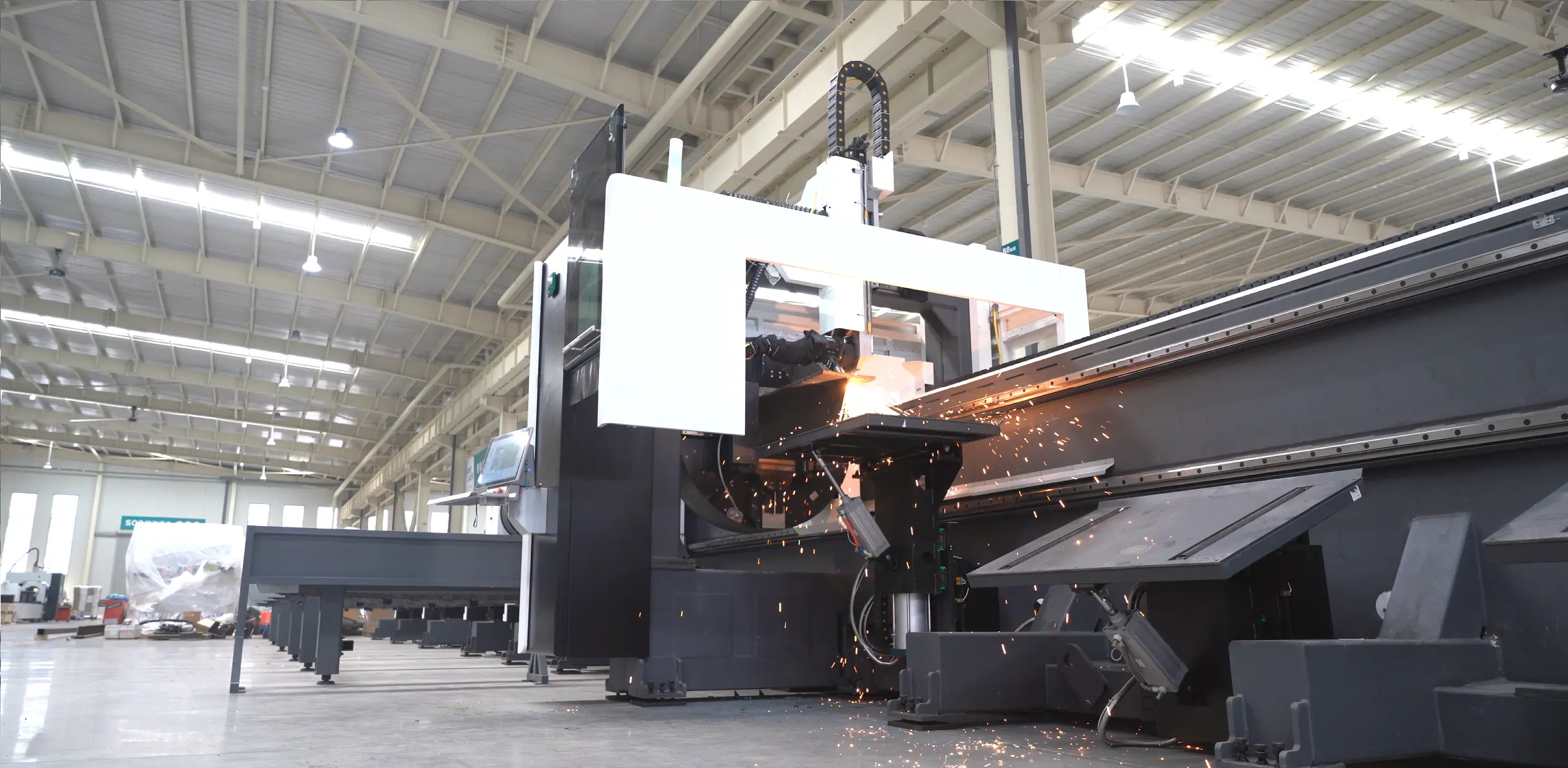
2. 6-Step Daily Maintenance of Fiber Laser Tube Cutting Machine:
Executing preventative daily maintenance protects sensitive optical components, eliminates machine downtime, and maintains laser beam alignment precision.
Optic & Cutting Head Care: Inspect external cutting head surfaces daily. Clean protective optics exclusively with optical-grade solvents and lint-free wipes—never dry-wipe lenses.
Nozzle & Beam Alignment: Verify nozzle roundness and beam centering before every operational shift. Replace worn or deformed nozzles immediately to prevent beam clipping.
Motion System Cleaning & Lubrication: Remove slag and dust from linear guide rails and gear racks daily. Apply manufacturer-recommended grease to prevent mechanical wear.
Workplace Debris Clearing: Clear scrap tube off-cuts and metal dust around the machine bed and loading mechanisms to prevent mechanical jams.
Chiller & Pneumatic Calibration: Confirm water chiller operating temperatures, water purity levels, and input gas line pressures before starting cutting operations.
Safety SOPs & Emergency Readiness: Ensure operators follow strict startup and shutdown sequences. Train staff to hit the emergency stop immediately if abnormal resonance or errors occur.
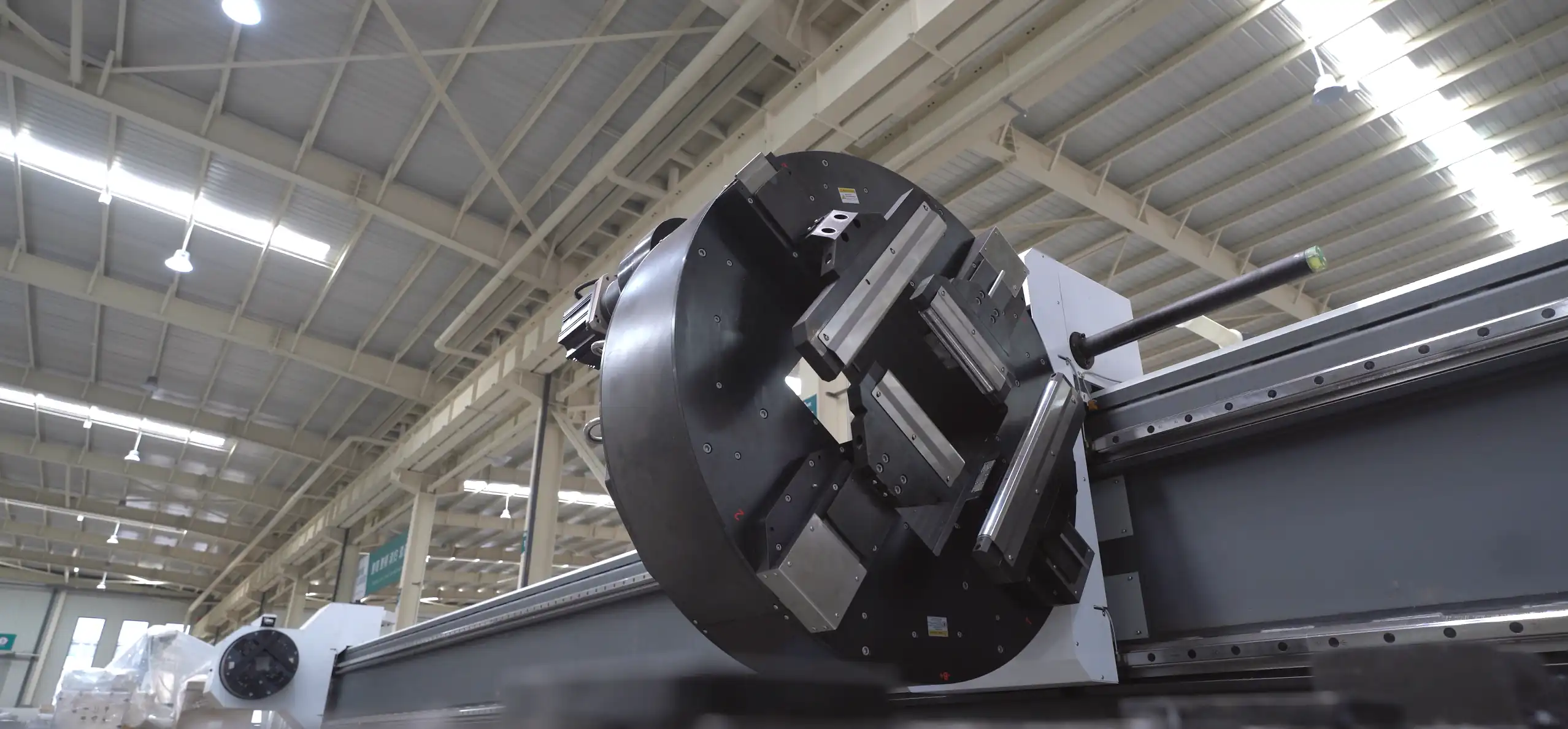
3. Advantages of Laser Tube Cutting Machine in Fitness Equipment Manufacturing
Automated fiber laser pipe processing has transformed fitness equipment fabrication by replacing manual labor and traditional tools with automated laser precision.
High Precision & Complex Geometries: Easily executes precision beveling, intersecting hole cuts, and curved profile slots on round, square, rectangular, and oval structural tubing.
Zero Tooling Expenditure: Eliminates physical mold and die costs entirely. Structural changes are adjusted directly inside the CNC nesting software.
Superior Edge Quality: A minimal heat-affected zone (HAZ) prevents pipe thermal distortion, delivering burr-free edges without tool wear or mechanical clamping damage.
Eco-Friendly Fabrication: Generates no hazardous chemical waste or toxic emissions, fully aligning with modern green factory standards.
4. Frequently Asked Questions (FAQ)
Q1: Is a fiber laser tube cutting machine easy for beginner operators to learn?
A: Yes. Modern CNC control systems and intuitive graphical nesting software allow beginner operators to master standard pipe loading, parameter selection, and safe operation within 2 to 3 days of guided training.
Q2: How does assist gas choice affect carbon steel tube cutting quality?
A: Oxygen provides faster cutting speeds on thick carbon steel via an exothermic reaction but leaves a dark oxidation layer. Compressed air offers the lowest cost for thin-walled carbon steel tubes, while nitrogen yields clean, weld-ready edges.
Q3: How often should laser tube cutting optics be inspected?
A: Protective cover slides and nozzles should be visually inspected for dust or burn spots daily before starting operations. Internal focus lenses require professional inspection during monthly scheduled maintenance.